Popular: L Hamilton |
J Button


© Sutton Images
Enlarge
When it comes to negotiating sponsorship deals in Formula One, the teams have a serious disadvantage to cope with. Whatever they might do to try and lure one brand or another into their clutches, they have serious competition from the commercial rights holder.
One of the biggest sponsorship deals in recent years was rumoured to have originated as a title sponsorship deal with a team, yet seemingly overnight turned into a sponsorship deal for the sport as a whole. Because the point of corporate sponsorship is brand exposure, the teams simply cannot offer a sponsor the same amount of guaranteed coverage as the commercial rights holder.
Sponsoring a front-running team may provide more TV exposure than sponsoring a back-marker, as the teams at the front get more coverage on the world feed. Logos on race suits seen frequently in the televised press conferences are more valuable than logos seen only when a driver is walking down the pitlane in despair after yet another retirement.
But no rear wing or breast pocket branding can possibly compete with the trackside signage seen by millions of viewers around the world for lap after lap. Sponsoring Formula One is a far better bet than sponsoring even those big names like Red Bull, Mercedes, or Ferrari, and corporate investors prefer to invest in sure things where possible.
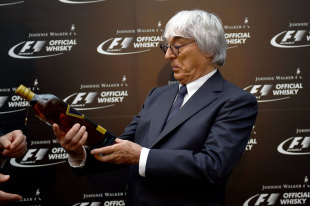
On Thursday of the Singapore weekend it was announced that Johnnie Walker had signed a deal to become the official whisky of Formula One. The announcement meant that McLaren lost their exclusive relationship with the Johnnie Walker brand inside the F1 paddock, although the ten-year-old relationship is not at an end. Johnnie Walker is not the only Diageo brand represented within Formula One; Force India sponsors Smirnoff are also part of the family.
McLaren have been without a title sponsor all season, since Vodafone decided to end their title sponsorship of the team when the board decided that it had extracted the maximum it could from the relationship, with brand awareness as high as it could get. Despite confident assurances that a new title sponsor would be announced in December 2013, the month passed with no news from the McLaren Technology Centre.
This season has also seen the loss of their long-term relationship with Hugo Boss, who are switching their allegiances to Mercedes with a view to bringing their F1 sponsorship in line with their existing sponsorship of the Mercedes automotive brand.
While it cannot be denied that McLaren have had better seasons on track than we have seen this year and last, they are still one of the most high profile teams in the sport, and market research shows great name recognition amongst the general (non-F1) public. Part of the problem is the team's resistance to dropping their rates to reflect the current financial climate, but for one of the sport's long-term heavy hitters to lose out on existing sponsors and struggle to find replacements is more than a little worrying.
But the current financial climate has not just been a challenging one for teams. Blue chip companies the world over are tightening their purse-strings with a view to keeping their investors happy and profits as high as possible, and sponsorship is an easy item to cut from spreadsheets of outgoings.
When they do invest, they want value for money, and when it comes to value for money the commercial rights holder can offer guarantees of exposure not only through trackside signage, but also through its control of the world television feed, choosing which clips do and don't get viewed by the sport's global audience.
How can any team compete?
Following a request from McLaren, this article has been amended to clarify the team's relationship with Johnnie Walker continues despite its official deal with F1.
© ESPN Sports Media Ltd.
 Feeds: Kate Walker

WRITER BIO
Kate Walker is the editor of GP Week magazine and a freelance contributor to ESPN. A member of the F1 travelling circus since 2010, her unique approach to Formula One coverage has been described as 'a collection of culinary reviews and food pictures from exotic locales that just happen to be playing host to a grand prix'.
RECENT POSTS
Kate Walker

Kate Walker is the editor of GP Week magazine and a freelance contributor to ESPN. A member of the F1 travelling circus since 2010, her unique approach to Formula One coverage has been described as 'a collection of culinary reviews and food pictures from exotic locales that just happen to be playing host to a grand prix'.

